1. Bronze Alloy Material (Core Cost Factor)
Raw materials account for more than 60% of the total cost, and different alloy grades directly determine the product price.
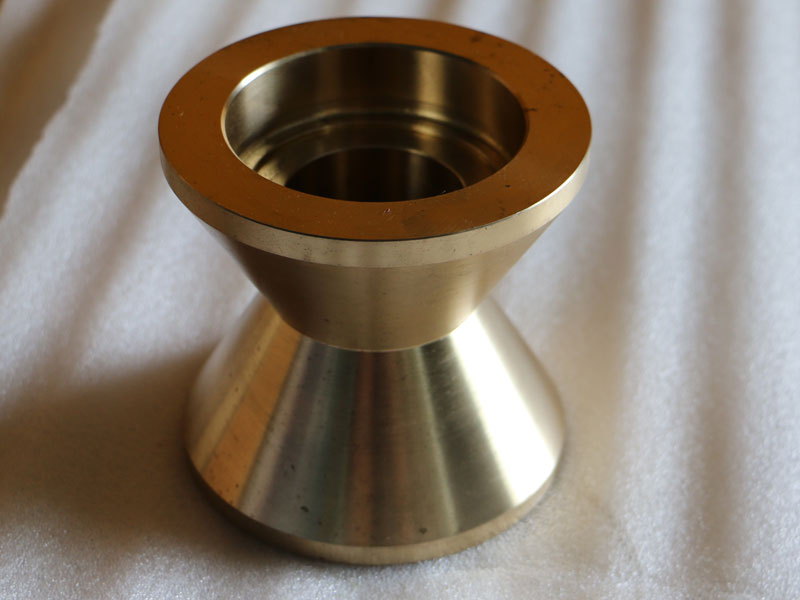
Tin bronze (QSn6-6-3, ZCuSn10Pb1) features excellent wear resistance. As the mainstream material for heavy-duty mining equipment, it adopts high-cost tin raw materials with a higher price than aluminum bronze and brass. Aluminum bronze (ZCuAl9Fe4) boasts high strength and impact resistance, suitable for crushing equipment with a medium-to-high price. High-strength brass (H62, ZHMn58-2) is an economical general material for light-duty equipment with the lowest raw material cost. Special customized alloys such as graphite self-lubricating and anti-corrosion nickel-chromium bronze will increase the product premium by 20%–50%.
In addition, the spot price of electrolytic copper fluctuates with international commodity markets, causing a 10%–30% floating change in the unit price of bronze bushings.
2. Product Specifications and Weight
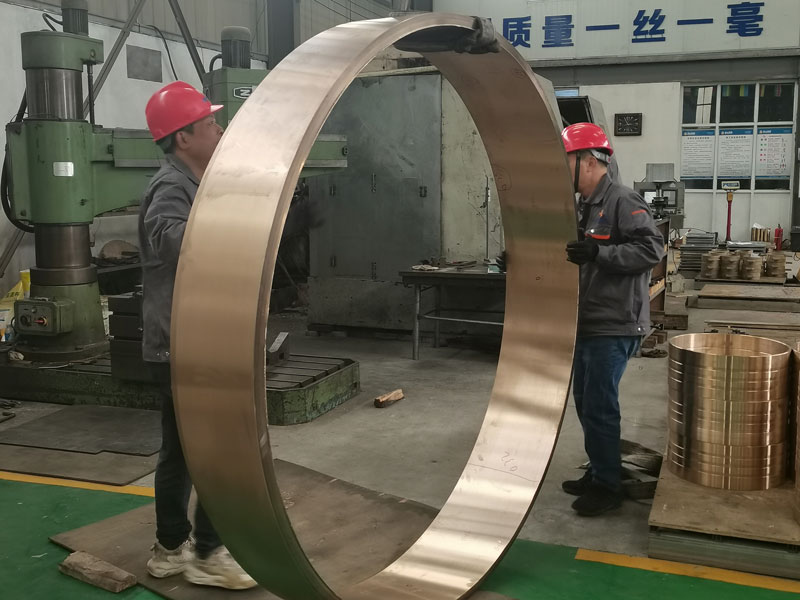
The inner diameter, wall thickness and length of bushings determine the material consumption and weight, which are the basic criteria for pricing. Large-diameter and thick-walled bushings (inner diameter above 300mm) consume more raw materials and have a much higher unit price than small-sized products. Non-standard thin-walled parts have higher processing loss, leading to a higher unit price for the same material.
3. Casting and Finishing Technology
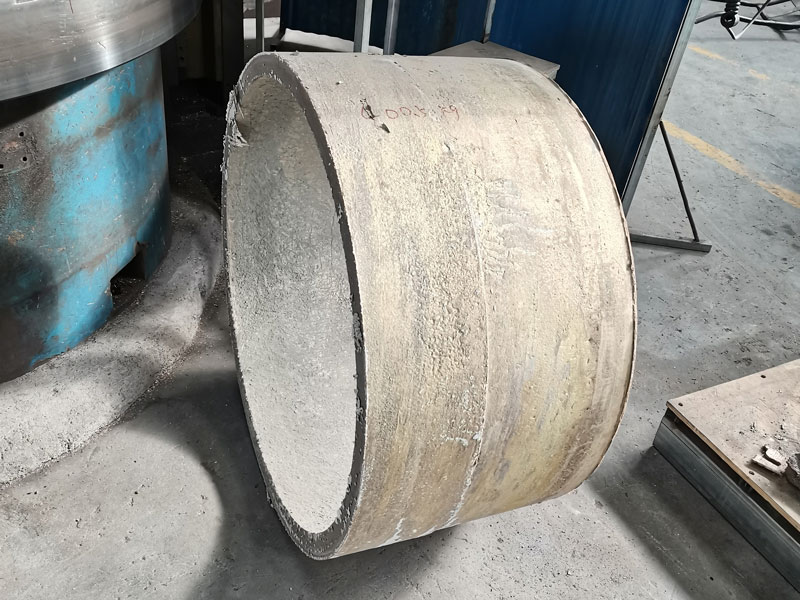
Sand casting with simple processes and ordinary compactness has the lowest production cost, commonly used for standard stock products. Centrifugal casting produces dense, pore-free castings with superior wear resistance, yet it requires higher equipment energy consumption, with processing costs 30%–40% higher than sand casting, ideal for heavy-duty mining split bushings.
Precision machining such as splitting, customized oil grooves and fine chamfering requires strict micron-level tolerances and longer CNC processing time, bringing a minimum 20% price premium. Additional processes like heat treatment and oil infiltration will also increase costs.
4. Order Purchase Quantity
The unit cost decreases with larger order quantities. Small-batch orders (1–50 pieces) have a higher unit price due to unamortized mold opening and commissioning costs. Bulk orders of over 500 pieces enjoy improved production efficiency and centralized raw material procurement discounts, with a general price reduction of 10%–15%. New non-standard customized mold opening will increase the price by 15%–50%.
5. Custom Additional Requirements
Special customization demands including special splitting angles, irregular oil grooves and flanged structures require independent programming and processing. Self-lubricating graphite embedding and bimetallic composite structures need extra auxiliary materials and working procedures, further raising product prices. Urgent orders and dedicated delivery services will generate an additional 10%–20% service premium.
6. Market Supply and Demand
In peak seasons for the mining and construction machinery industry, market demand surges and inventory is tight, driving up the price of bronze bushings slightly. In off-seasons, sufficient manufacturer inventory and profit-driven sales will lower the overall unit price of products.