
English Version:
ZCuSn10P1 High Corrosion Resistance and Long Life – Comparative Analysis
In the field of industrial copper alloys, the cost-effectiveness comparison between ZCuSn10P1 and ZCuZn25Al6 often becomes a key selection factor. Based on measured data, the annual corrosion rate of ZCuSn10P1 in marine and acidic environments is approximately 0.02 mm/a, while that of ZCuZn25Al6 is about 0.15 mm/a. For a pipe fitting with 10 mm wall thickness, the service life of ZCuSn10P1 can exceed 50,000 hours, compared to roughly 10,000 hours for ZCuZn25Al6. Although the initial purchase cost of ZCuSn10P1 is 30%–40% higher, its total life-cycle cost can be reduced by more than 25%.
Recommended Grade: ZCuSn10P1 Tin Bronze Fittings
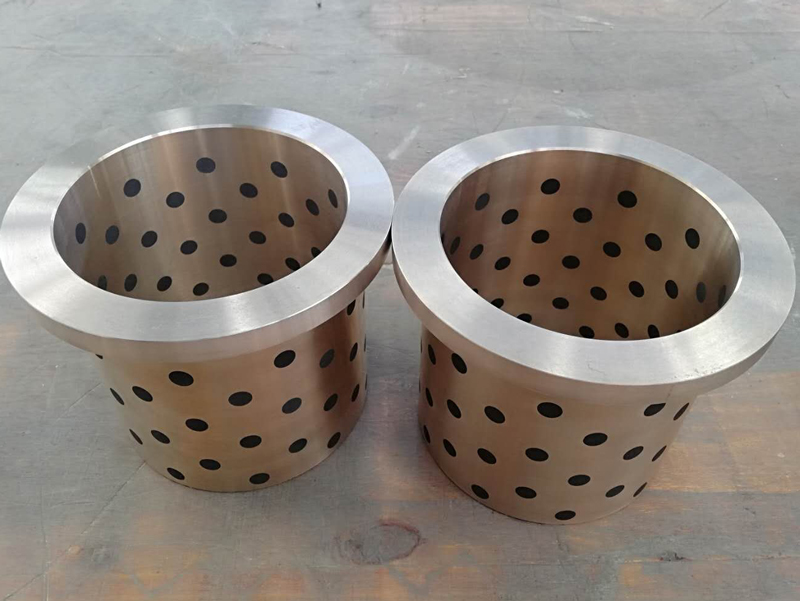
Suitable for marine propellers, seawater pump bodies, chemical agitator blades, and similar applications. Standard specifications include: DN50–DN300 flanged joints, outer diameter 20–200 mm bushings, and 5–30 mm thick wear plates. Reasons for recommendation: with tin content of 9%–11% and phosphorus content of 0.5%–1.0%, ZCuSn10P1 forms a dense SnO₂ oxide film, offering far superior resistance to pitting corrosion and stress corrosion cracking compared to aluminum brass. In sulfide-containing media, ZCuZn25Al6 is prone to dezincification corrosion, while tin bronze remains stable.
Material Selection Guide
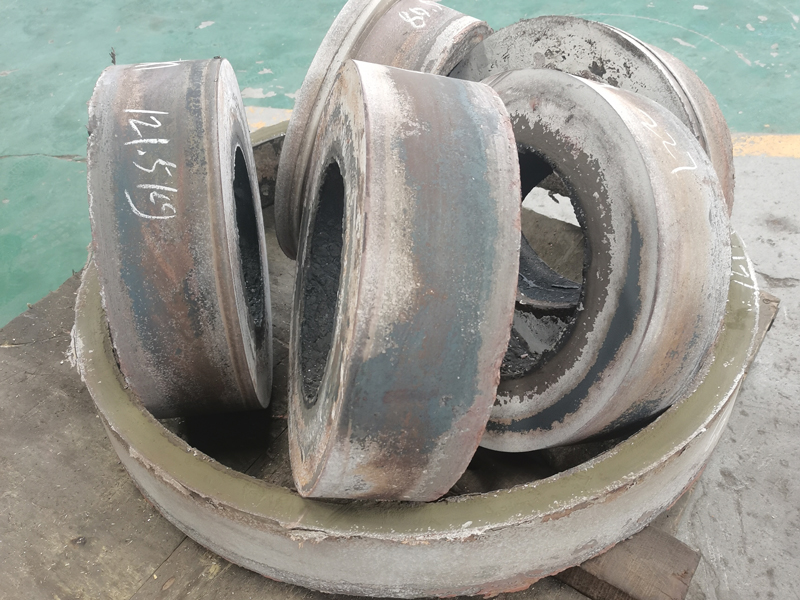
Prioritize centrifugal cast ZCuSn10P1, which has higher density than sand castings and reduces porosity by 60%.
For impact-loaded conditions, select a modified grade containing trace rare earth elements, improving fatigue strength by 15%.
Avoid long-term use of ZCuZn25Al6 in ammonia-containing environments, as aluminum can induce intergranular corrosion.
For heavy components with wall thickness greater than 50 mm, request an ultrasonic testing (UT) report from the supplier to ensure the absence of shrinkage porosity.
Future Planning for Copper Cast Alloy Components
Industry trends indicate that between 2026 and 2030, high-corrosion-resistance copper alloys will evolve toward composite coatings. For example, applying a graphene-copper composite coating on ZCuSn10P1 can reduce the friction coefficient to below 0.12. Meanwhile, additive manufacturing is being adopted for complex flow-channel castings, raising material utilization from 60% to 95%. For ZCuZn25Al6, research focuses on adding 0.1%–0.3% boron to inhibit β-phase dezincification, though its service life still cannot surpass that of the tin bronze system.
Geographical and Industrial Distribution
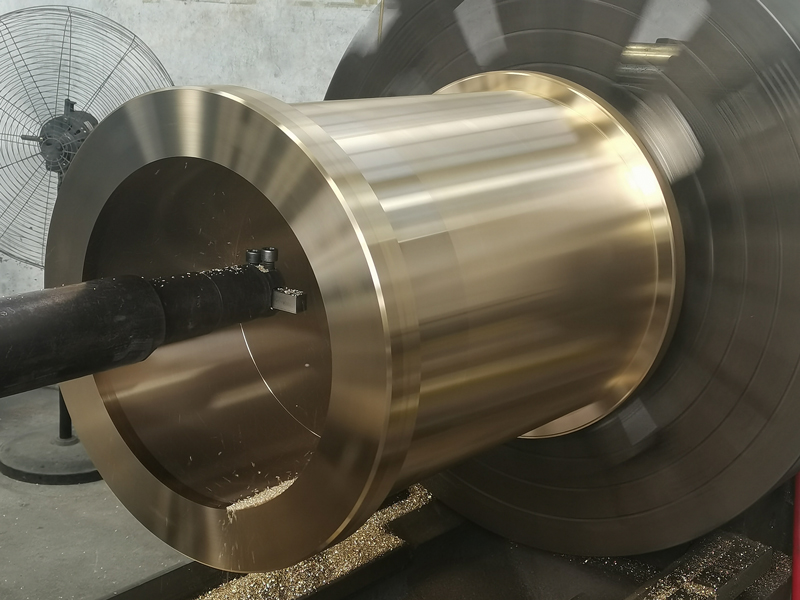
The Yangtze River Delta region has formed a precision copper casting industrial cluster. Companies in Ningbo, Shaoxing, and surrounding areas can mass-produce ZCuSn10P1 marine fittings with minimum wall thickness control accuracy of ±0.5 mm. The Pearl River Delta region specializes in miniature tin bronze components for electronic devices, with outer diameters as small as 3 mm. The Southwest region, leveraging hydropower resources, has developed large tin bronze anti-wear rings for water turbines, with maximum diameters of 2.5 meters. Users should prioritize suppliers certified under ISO 19600 compliance, ensuring that material spectrometric test reports accompany the goods.
Economic Decision Model
Assume equipment operates 8,000 hours per year. ZCuSn10P1 price is 65 RMB/kg, ZCuZn25Al6 is 45 RMB/kg. For a 20 kg valve body, the initial cost difference is 400 RMB. If ZCuSn10P1 lasts 5 years and ZCuZn25Al6 only 1.5 years, over a 10-year period the former requires two replacements, with a total material cost of 65×20×2 = 2,600 RMB; the latter requires 6.6 replacements, totaling 45×20×6.6 = 5,940 RMB. Including downtime and maintenance losses, the tin bronze solution saves over 4,000 RMB. Therefore, for continuously operating equipment, selecting the more expensive ZCuSn10P1 offers clear economic advantages.
Installation and Maintenance Tips
Use a copper-based anti-seize compound during assembly to avoid cold welding between tin bronze threads and stainless steel bolts.
Measure the wall thickness of ZCuSn10P1 components every 2,000 hours. If annual thinning exceeds 0.05 mm, check for abnormal pH in the medium.
If red spots (signs of dezincification) appear on the surface of ZCuZn25Al6 components, plan an immediate replacement with tin bronze.
Conclusion
Based on full-life-cycle cost and reliability data, the longer service life of ZCuSn10P1 does indeed offset its higher initial cost, especially in highly corrosive environments and applications with long maintenance intervals. By comprehensively considering specifications, manufacturing processes, and supplier qualifications, users can maximize return on investment.